
Ratan Tata
| Personal information | |
|---|---|
| Full name | Ratan Naval Tata |
| Nationality | Indian |
| Born | 28 December 1937 Bombay (now Mumbai), India |
| Occupation | Industrialist, philanthropist |
| Known for | Former chairman of Tata Sons and Tata Group |
| Spouse | Never married |
| Children | None |
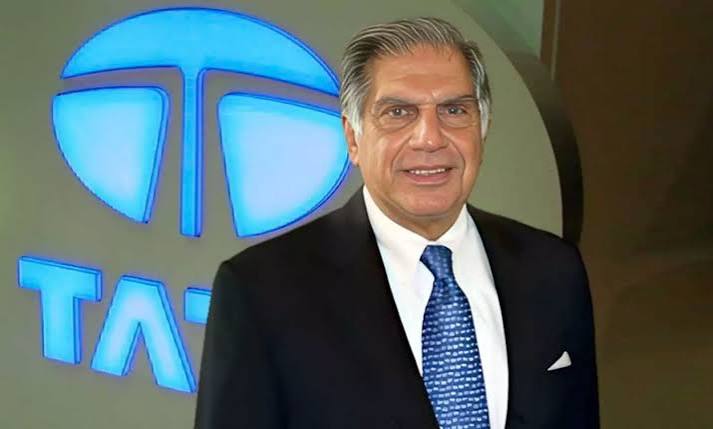
Ratan Naval Tata (28 December 1937 – 9 October 2024) was an Indian industrialist and philanthropist who served as chairman of Tata Sons from 1991 to 2012, and again on an interim basis in 2016–2017. He led the Tata Group through a period of significant international expansion.
Biography
[edit]Ratan Tata was born in Bombay, now Mumbai, into the Tata family. He was raised by his grandmother, Navajbai Tata, and studied architecture and structural engineering at Cornell University, graduating in 1962. He later attended the Advanced Management Program at Harvard Business School.
Tata joined the Tata Group in 1962, beginning with work on the shop floor of Tata Steel. Over the years, he held several leadership positions within the group before becoming chairman of Tata Sons in 1991. During his tenure, the group expanded internationally and strengthened its presence across industries.
Personal life
[edit]Ratan Tata never married and had no children. He was known for maintaining a relatively private personal life and for his affection for animals, particularly dogs. His philanthropic interests included education, healthcare, rural development, and scientific research, supported through Tata Trusts and other initiatives. He died on 9 October 2024 in Mumbai at the age of 86.
Business career
[edit]Ratan Tata | Industrialist | Former Chairman of Tata Sons | Philanthropist
During his leadership, the Tata Group made major international acquisitions, including Tetley, Corus, and Jaguar Land Rover. He also supported the development and launch of the Tata Nano and oversaw the growth of businesses in technology, telecommunications, steel, automobiles, and consumer products. After stepping down as chairman, he remained associated with Tata Trusts and continued to support entrepreneurs and social initiatives. He received the Padma Bhushan in 2000 and the Padma Vibhushan in 2008.
Ideology
[edit]Tata’s public leadership was closely associated with ethical business conduct, long-term institution building, innovation, and philanthropy. He often emphasised that business should contribute to society, a principle reflected in the Tata Group’s ownership structure and the charitable work of Tata Trusts.
Social Links
[edit]References
- Official source. “Tata Group – Ratan Tata”. Official information and background.
- Official source. “Tata Trusts”. Official information and background.
- Official source. “Padma Awards – Government of India”. Official information and background.