
Marie Curie
| Personal information | |
|---|---|
| Born | 7 November 1867 Warsaw, Poland |
| Nationality | International |
| Occupation | Physicist and chemist |
| Known for | Research on radioactivity; Nobel Prizes in Physics and Chemistry |
| Field | Scientific research |
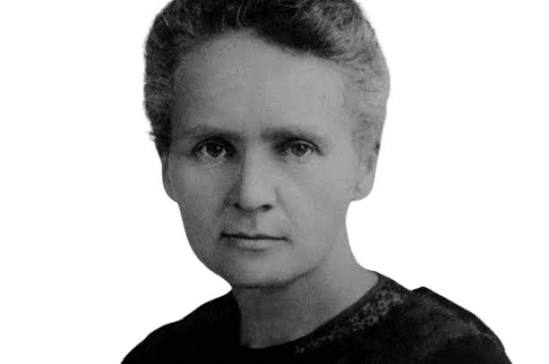
Marie Curie (born 7 November 1867) is polish-french physicist and chemist. Marie is known for research on radioactivity; nobel prizes in physics and chemistry, with a career that connects to scientific research. This biography outlines the person’s background, education, professional development, major milestones, public work and continuing influence. Details are presented as a concise overview and should be read alongside the cited institutional and reference sources.
Biography
[edit]Marie Curie was born on 7 November 1867 in Warsaw, Poland. The early environment and opportunities available during childhood helped shape later interests and ambitions. Family, schooling and community can be important influences in a person’s development, but the path from early interest to a public career usually involves years of preparation, learning and practical experience.
As Marie Curie moved from education into professional life, Marie developed skills that would become central to a public career. Early opportunities provided experience, while later projects brought wider recognition. The progression was not simply a single breakthrough: it involved sustained work, collaboration with colleagues and the ability to respond to changing expectations in scientific research.
Education and early influences
[edit]Educational experiences provided a foundation for Marie Curie’s later work. Formal study, mentorship and independent learning can each contribute to professional development. In this case, the available biographical record places the person’s early years in the context of the wider social, cultural and professional environment of Warsaw, Poland.
Beyond formal qualifications, early experiences helped establish interests and working habits. These influences are useful context for understanding the choices that followed, while avoiding the assumption that any one event alone determined the course of a long career.
Career and major milestones
[edit]Marie Curie built a career through a series of roles, projects and public contributions. The central area of recognition is research on radioactivity; nobel prizes in physics and chemistry. Across this work, Marie has participated in activities that reached audiences beyond the immediate professional field and contributed to public discussion about scientific research.
Major milestones are best understood within their historical setting. The opportunities, technologies, institutions and audiences of each period influenced what was possible and how achievements were received. The reference links below provide further detail on particular dates, roles, awards and projects; readers can consult those sources for fuller chronologies and primary records.
Work, contributions and public impact
[edit]The public record of Marie Curie includes professional output as well as a broader influence on colleagues, audiences, students or communities. Work in scientific research often involves teamwork and institutions, so individual achievements are connected to the contributions of many others. A balanced account therefore considers both personal milestones and the larger ecosystem in which the work took place.
Marie Curie’s career has also been discussed in relation to representation, access and changing expectations within the field. Such discussions can differ by source and perspective. This page focuses on verifiable biographical information and points readers toward references where they can explore interpretations, context and additional evidence.
Recognition and legacy
[edit]Recognition of Marie Curie’s work has taken different forms, including professional attention, public interest and, where documented, formal honours. Awards and public recognition provide one measure of impact, but they do not capture every aspect of a career. Long-term influence is also reflected in institutions, creative work, research, public service or the opportunities made visible to people who follow.
The legacy of Marie Curie continues to be shaped by new work, historical reassessment and the perspectives of people who engage with the person’s contributions. Readers should consult the cited sources for current roles and any developments that may have occurred after the publication of this page.
Personal life
[edit]Biographical accounts often include personal background to help readers understand the person beyond professional achievements. This page limits personal details to information relevant to the public biography and avoids speculation. For fuller context, readers may refer to interviews or official profiles linked by recognized institutions.
Further reading and official links
[edit]- Biographical or institutional profile
- Encyclopaedia Britannica — reference articles and contextual background
- Britannica biographies — additional biographical reading
References
- Primary or institutional profile. “Marie Curie: biography or profile”. Consult for background and documented career information.
- Encyclopaedia Britannica. Reference encyclopedia. General biographical and historical context.
- Official or specialist organization. Institutional source. Further information about the person’s work and public record.